
By Kelly Wolfe, MSN, APRN, FNP-BC, CFMP · Updated July 20, 2026
Facial balancing is a treatment approach that uses small, strategic adjustments across several features — not just one — to bring the features of your face into better proportion with one another. Done well, it’s about harmony, not volume.
Cost depends on how many areas you treat and what’s used, but most plans are priced per syringe or per area, and a genuine facial balancing plan in a market like Miami Beach typically spans a range rather than a single flat fee. At South Florida Face and Body in Miami Beach, nurse practitioner Kelly Wolfe (MSN, APRN, FNP-BC, CFMP) treats the whole face by the numbers — with a restrained hand and an eye for results that still look like you.
This guide explains exactly what facial balancing is, how it works, what it costs and why, and how to make sure you end up looking balanced rather than overfilled.
What is facial balancing?
Facial balancing is the art of treating the face as one connected system — adjusting features like the cheeks, chin, jawline, lips, and temples in proportion to each other so the whole face looks more harmonious, symmetrical, and defined.
Instead of asking “what’s wrong with my lips” or “should I get cheek filler,” facial balancing asks a bigger question: How do all your features relate to one another? A chin that projects too little can make a nose look larger and a jawline look weak. Flat cheeks can make the midface look tired and pull everything downward.
By assessing the face as a whole — often against classical proportions and the golden ratio — a skilled injector can make small changes in several areas that add up to a result far more natural than overtreating one feature.
If you want the philosophy behind it, Kelly has written about the golden-ratio method and how beauty really is a kind of math.
How facial balancing works — it’s proportion, not just filler
The best facial balancing often uses less product, not more. The skill is in choosing which areas to adjust — and by how much — so the face reads as balanced rather than “done.”
Facial balancing is a strategy, not a single product. Depending on your face, a plan might combine:
- Structural filler in the cheeks, chin, jawline, and temples to restore proportion and definition.
- Lip treatment with lip filler, balanced to the rest of the face rather than simply made bigger.
- Biostimulators like Sculptra or Radiesse to rebuild collagen and restore support across the whole face — often a better foundation than filler alone.
- Neuromodulators such as Botox to soften or lift where muscle activity is pulling features out of balance.
Biostimulators are worth understanding on their own terms, because they behave differently from filler: they add almost nothing on the day of treatment and instead prompt your own collagen to rebuild over the following months. How biostimulators work and who benefits most covers that timeline and who tends to see the best results.
The reason facial balancing looks natural when it’s done right — and obvious when it isn’t — is restraint. Kelly has written about why the era of correcting everything with more filler is ending in favor of this more measured, structural approach. The goal is proportion, and proportion sometimes means using less.
Which areas can facial balancing treat?
Facial balancing most commonly addresses the cheeks, chin, jawline, lips, temples, and under-eye area — chosen based on which features are out of proportion, not a fixed checklist.
No two plans are identical, because no two faces are. That said, the areas that most often come into a balancing plan are the mid-face and cheeks (for lift and support), the chin and jawline (for profile and definition), the lips (proportioned to the face), and the temples (to soften hollowing).
The point of a comprehensive consultation is to identify which of these actually move the needle for your face — and to leave alone the ones that don’t need it.
How much does facial balancing cost?
Facial balancing is priced by what your plan actually includes — typically per syringe of filler or per vial of biostimulator, across however many areas you treat. That’s why one honest number doesn’t exist: a single-area refinement and a full-face plan are very different investments.
Here’s the honest picture: Facial balancing isn’t a fixed-price procedure — it’s a custom plan, and the cost reflects a few specific things:
- How many areas you treat. Balancing one feature costs far less than a full-face plan across cheeks, chin, jawline, and lips.
- What’s used. Hyaluronic-acid filler is priced per syringe; biostimulators like Sculptra and Radiesse are priced per vial or session and often need a short series. A plan built on biostimulators is structured differently than one built on filler.
- How much product your anatomy needs. Deeper volume loss or a more significant imbalance takes more product to correct.
- Maintenance. Filler results fade over time, so the long-term cost includes touch-ups, while biostimulator results tend to last longer.
Rather than quote a number that may have nothing to do with your face, Kelly assesses your proportions, tells you exactly which areas would make the biggest difference, and prices the full plan transparently before anything is done — so you can decide to do it all at once or stage it over time.
What makes facial balancing look natural — not overfilled
The difference between beautiful facial balancing and an “overdone” look isn’t the amount of filler — it’s whether the proportions are right. Skilled balancing can make you look rested and defined; overfilling makes the face look heavier and less like you.
This is worth saying plainly, because it’s the thing people fear most. An overfilled look comes from treating features in isolation and chasing volume — bigger cheeks, bigger lips — without stepping back to see the whole face. True facial balancing does the opposite: It uses the minimum needed to bring your features into proportion, and it treats “leaving something alone” as a legitimate choice. If a provider wants to fill every area at your first visit, that’s a reason to pause.
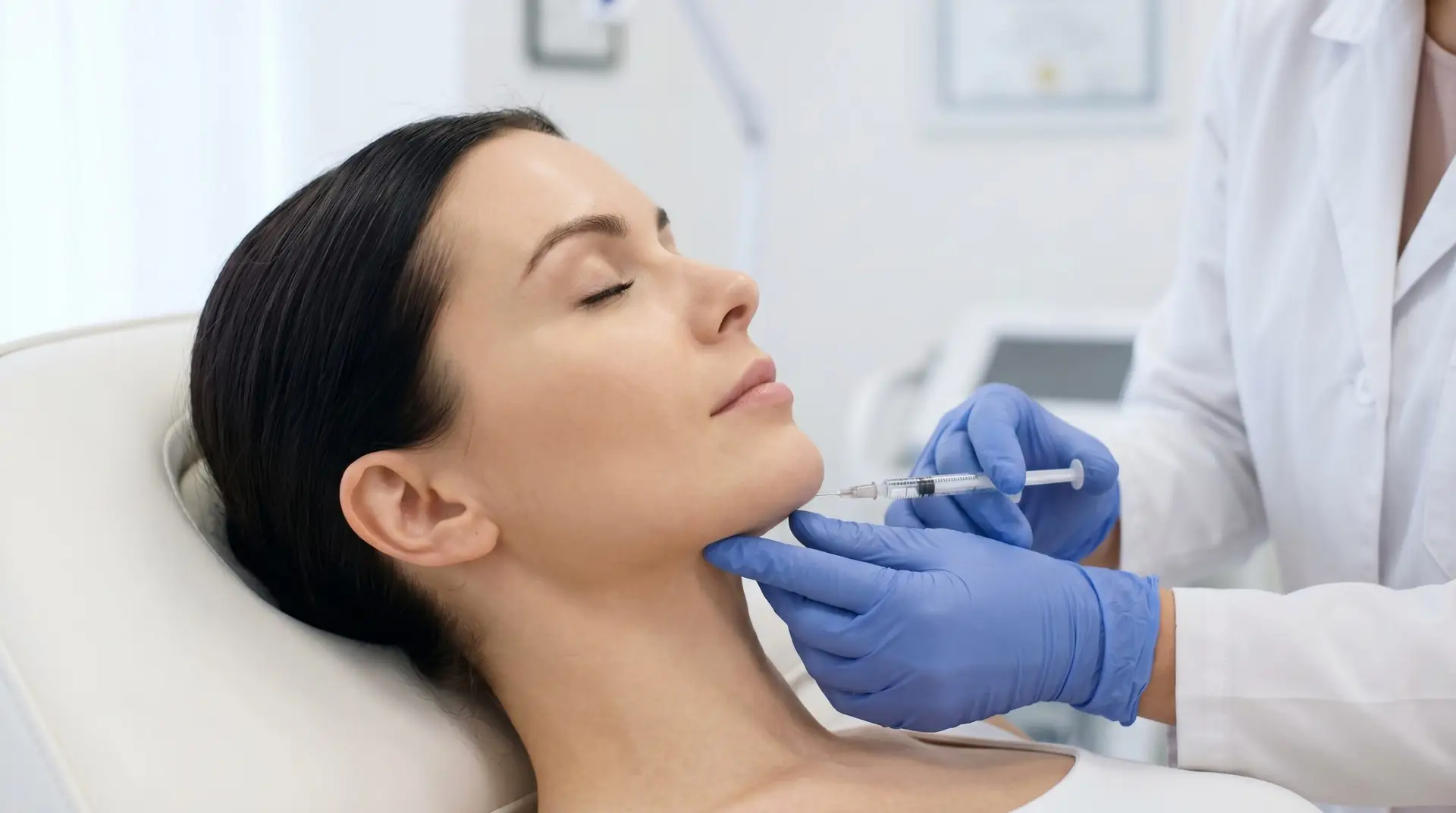
Is facial balancing safe, and who is a good candidate?
Facial balancing is generally very safe when performed by a qualified, experienced injector who assesses your whole face first. Most healthy adults who want more harmony or definition — not a dramatic change — are good candidates.
The treatments used in facial balancing — hyaluronic-acid filler, biostimulators, and neuromodulators — have long safety records in trained hands. The most common side effects are temporary: swelling, redness, or bruising at injection sites. Serious complications are uncommon but are exactly why the skill and judgment of your injector matter more than the product.
A note on bruising and blood thinners: because facial balancing involves injections that can bruise, tell Kelly about any anticoagulant medication (such as warfarin, Eliquis, or Xarelto) at your consultation. Never stop or change a blood thinner on your own to reduce bruising — always consult your prescribing physician first.
What to expect at South Florida Face and Body
Facial balancing here starts with an assessment, not a syringe. Kelly studies your proportions, talks through what you’d like to change, and maps a plan that treats the areas that matter — and skips the ones that don’t. Because she owns the practice and performs every treatment herself, the person who assesses your face is the person who treats it, and who follows up afterward. Many patients stage their plan over a few visits so the result builds gradually and naturally.
If you’re still deciding whether balancing is the right starting point, it’s worth seeing how it compares with the alternatives — the anti-aging treatments in Miami Beach that actually work puts the main options side by side.
Where to Find Us in Miami Beach
Our office sits on 5th Street at the northern edge of South of Fifth (SoFi), the southern tip of Miami Beach — about three blocks from Ocean Drive. Patients come to us from across Miami Beach, Brickell, Mid-Beach, and Bal Harbour for natural, proportion-first facial balancing.
1000 5th Street, Suite 414
Miami Beach, FL 33139
Ready to see what balance looks like on you?
Book a consultation with Kelly Wolfe for an honest, proportion-first assessment — and a transparent plan and price before anything is done. Book a consultation.
Frequently Asked Questions
What is facial balancing?
Facial balancing is a treatment approach that adjusts several features of the face — commonly the cheeks, chin, jawline, lips, and temples — in proportion to each other so the whole face looks more harmonious and defined. Rather than treating one feature in isolation, it assesses the face as a connected system, often using filler, biostimulators, or Botox in small, strategic amounts.
How much does facial balancing cost?
Facial balancing is priced by what your plan includes — typically per syringe of filler or per vial of biostimulator, across however many areas you treat. A single-area refinement costs far less than a full-face plan, and biostimulator-based plans are structured differently than filler-based ones. Because it’s fully customized, an exact price is provided after your proportions are assessed at your consultation.
What areas can facial balancing treat?
The areas most often included are the cheeks and mid-face, the chin and jawline, the lips, the temples, and sometimes the under-eye area. Which areas are treated depends entirely on which features are out of proportion for your face, not a fixed checklist — the goal is to adjust only what actually improves overall harmony.
What’s used for facial balancing — is it all filler?
No. While hyaluronic-acid filler is common, facial balancing often combines tools: biostimulators like Sculptra or Radiesse to rebuild collagen and support, and neuromodulators like Botox to soften or lift where muscle activity pulls features out of balance. The best plans frequently use less filler, not more.
How long does facial balancing last?
It depends on what’s used. Hyaluronic-acid filler generally lasts around six to eighteen months depending on the area and product, while biostimulator results tend to last longer as they rebuild your own collagen. Because results fade gradually, most people maintain their balance with periodic touch-ups.
Will facial balancing make me look overfilled?
Not when it’s done well. An overfilled look comes from chasing volume and treating features in isolation. True facial balancing uses the minimum needed to bring your features into proportion and treats leaving an area alone as a valid choice, so the result looks like a more rested, defined version of you rather than “done.”
Is facial balancing safe?
Yes, it’s generally very safe when performed by a qualified, experienced injector who assesses your whole face first. The filler, biostimulators, and neuromodulators used have long safety records, and the most common side effects — swelling, redness, or bruising — are temporary. The skill and judgment of your injector matter most.
How long does the treatment and recovery take?
Most facial balancing appointments take under an hour, and many people return to normal activities right away. Mild swelling or bruising can last a few days, and because plans are often staged over more than one visit, results build gradually and naturally over weeks rather than all at once.

Kelly Wolfe
Kelly Wolfe, MSN, APRN, FNP-BC, CFMP, is a Florida-licensed nurse practitioner and Certified Functional Medicine Practitioner who founded South Florida Face and Body. She approaches facial balancing as a question of proportion rather than volume, treating the whole face by the numbers with a restrained hand and an eye for results that still look like you.
Her rule for facial balancing: the goal is harmony, not more filler — sometimes the most skilled treatment uses less.
Meet Kelly →