
By Kelly Wolfe, MSN, APRN, FNP-BC, CFMP · Updated August 16, 2026
Peptide therapy uses short chains of amino acids (peptides) as targeted signals that tell the body to do specific things: repair tissue, sharpen focus, or support sleep and healthy aging. Three of the most talked-about are BPC-157 (studied for recovery and gut health), Semax (studied for focus and brain function), and Epitalon (studied for sleep and longevity). Here’s the honest part most pages skip: much of the evidence behind them is still early and comes from animal studies, and in the U.S. they aren’t yet legally available to compound, that’s under active FDA review. At South Florida Face and Body in Miami Beach, nurse practitioner Kelly Wolfe (MSN, APRN, FNP-BC, CFMP) helps patients understand what these peptides do, what the science actually supports, and how to pursue peptide therapy the legal, supervised way.
This guide explains each of the three in plain language, grades the evidence honestly, and covers where things stand legally.
What is peptide therapy?
Peptide therapy is the use of specific peptides (small molecules made of amino acids) to signal the body toward a particular result, such as tissue repair, cognitive support, or better sleep. Peptides occur naturally in the body; peptide therapy uses targeted versions to nudge a specific process.
Your body already runs on peptides. They act as messengers, telling cells when to grow, repair, calm inflammation, or release hormones. Peptide therapy borrows that language: it introduces a specific peptide to encourage a specific response. That’s very different from a stimulant or a hormone, a peptide is more like a precise instruction than a blunt push. The catch is that “precise instruction” only helps if the peptide genuinely does what’s claimed, which is where the evidence, and the honesty, matter.
What does BPC-157 do?
BPC-157 (short for “Body Protection Compound”) is a peptide studied primarily for tissue repair, recovery, and gut health. In animal research it appears to support the healing of tendons, muscle, and the gut lining and to calm inflammation, which is why it’s popular for recovery. Human evidence, however, is still very limited.
BPC-157 is a 15-amino-acid fragment originally identified in gastric juice, and it’s the peptide behind most “recovery” and “healing” searches. In laboratory and animal studies it has shown effects on wound healing, tendon and ligament repair, and protection of the stomach and intestines (the reasons it’s nicknamed by some as a recovery or “healing” peptide. What’s important to say clearly: the strong results are largely preclinical (animal and lab), and rigorous human trials are scarce. It’s also on the World Anti-Doping Agency’s prohibited list, so competitive athletes should steer clear. It’s a fascinating molecule with real research behind it), and one where the hype has run ahead of the human proof.
What does Semax do?
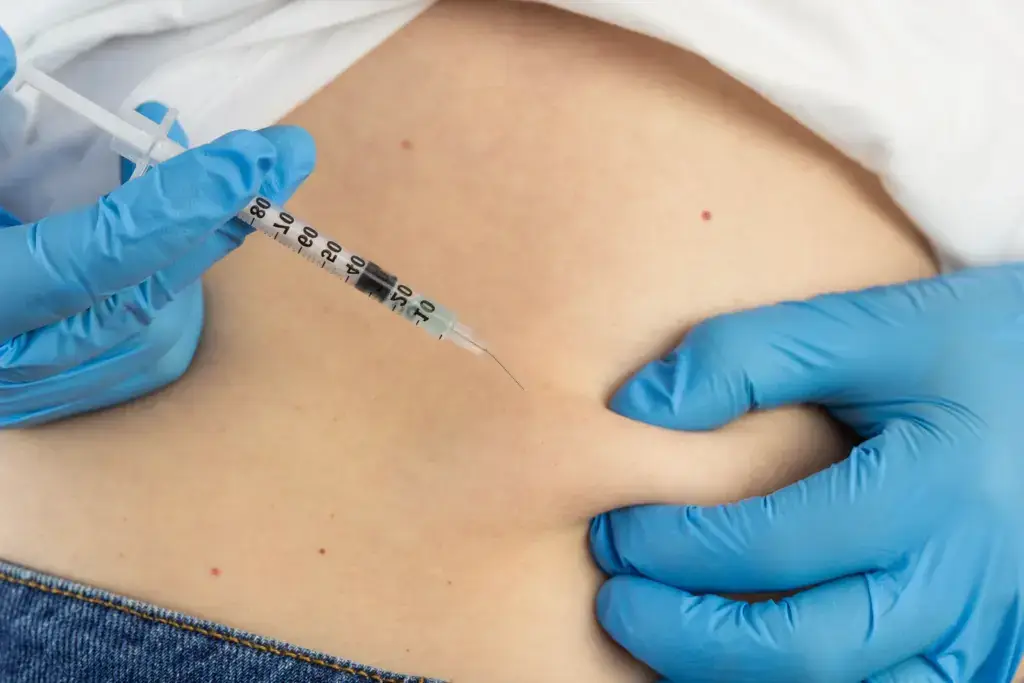
Semax is a peptide studied for focus, mental clarity, and neuroprotection. Developed from a fragment of a naturally occurring hormone, it’s been researched (mostly in Russia) for cognitive support, stroke recovery, and stress resilience. Like BPC-157, its evidence base is heavier on early and regional studies than on large Western trials.
If BPC-157 is the “body” peptide, Semax is the “brain” one. It’s a synthetic peptide based on a small piece of ACTH (a natural hormone), and it’s been used and studied in Russia for decades (typically as a nasal spray) for attention, memory, mental energy, and recovery after neurological events, with research pointing to effects on brain signaling molecules like BDNF. That’s a genuinely interesting mechanism, and it maps onto why people search for peptides for brain function and focus. The honest caveat is the same: much of the human data comes from a specific research tradition and hasn’t been replicated in large, independent trials, so it’s best understood as promising rather than proven.
What does Epitalon do?
Epitalon is a peptide studied for sleep, circadian rhythm, and healthy aging. Based on a substance produced by the pineal gland, it’s been researched for its effects on the body’s internal clock and on telomeres, the protective caps on our DNA associated with cellular aging. The longevity research is intriguing but early.
Epitalon (also spelled epithalon) is a small, four-amino-acid peptide modeled on a pineal-gland compound involved in regulating melatonin and the sleep-wake cycle. That’s why it shows up in searches for sleep and anti-aging peptides. Its most headline-grabbing research involves telomerase (the enzyme that maintains telomeres), and animal studies suggesting effects on aging and lifespan. This is the peptide where it’s most important to keep expectations grounded: the longevity findings are early, largely preclinical or from small regional studies, and a long way from established human anti-aging medicine. Interesting science, not a proven fountain of youth.
What the science actually supports
Across all three peptides, the pattern is the same: encouraging mechanisms and animal data, but limited rigorous human evidence. That doesn’t make them worthless, it makes them promising areas of research that deserve honesty rather than hype.
This is the part the research-chemical websites leave out. BPC-157, Semax, and Epitalon each have a plausible mechanism and a real body of preclinical work, and many people report benefits. But “promising in animals” and “reported online” are not the same as “proven in humans,” and a responsible provider says so. It’s also why the FDA’s own scientists have flagged the thinness of the effectiveness data during their review. The right stance isn’t dismissal or hype, it’s informed interest, paired with realistic expectations and proper supervision.
Are BPC-157, Semax, and Epitalon legal?
These three peptides are in a moment of change. An FDA advisory committee has recommended that they be added back to the list of substances licensed pharmacies may compound (a meaningful step toward a legal prescription pathway), but that recommendation is non-binding and awaits a formal FDA ruling. They are not FDA-approved, and legal compounding hasn’t been restored yet.
Here’s the current landscape in plain terms. These peptides were restricted from pharmacy compounding in 2023, then removed from that restricted list in 2026, and most recently an FDA advisory committee recommended six of the seven peptides it reviewed (including BPC-157, Semax, and Epitalon) for return to the compounding list. That’s real momentum, but a recommendation is not a rule: the FDA still has to issue an official ruling before licensed pharmacies can legally compound them again. Until then, the versions sold online as “research chemicals” remain outside the legal, medical path. We cover the full picture in our guide to whether peptides are legal in Florida.
How to do peptide therapy legally and safely

The safe, legal path to peptides is a licensed one: a qualified provider evaluates you, and (for peptides that are currently permitted) a licensed pharmacy compounds them with a prescription. That’s the opposite of buying unregulated “research-use-only” vials online.
The distinction that matters most is licensed versus unregulated. Licensed, prescribed peptides come with a provider who knows your history, a pharmacy held to quality standards, and monitoring over time. The gray-market alternative (vials labeled “for research purposes only”) skips all of that, and both the FDA’s review and real adverse-event reports show why that’s a genuine risk: you can’t be sure what’s actually in the bottle. For BPC-157, Semax, and Epitalon specifically, the fully legal compounding pathway is still pending that FDA ruling; in the meantime, the responsible approach is supervised guidance and FDA-approved options where they fit, not a checkout cart. Peptide decisions belong with a qualified provider who reviews your full health picture and medication list.
Where peptides fit in a bigger plan
Peptides are a tool, not a standalone fix. They work best inside a plan built on your labs, your goals, and proper monitoring, which is exactly how functional medicine approaches them.
At South Florida Face and Body, peptides aren’t sold as a quick fix off a menu. When they’re appropriate and legal, they sit inside Optimal, Kelly’s functional-medicine membership, where your whole picture is read together (hormones, metabolism, recovery, sleep), and any peptide is chosen to fit that plan and monitored over time. That’s the difference between chasing a trend and pursuing a goal with a professional who’s accountable for the result.
Where to find us in Miami Beach
Where to Find Us in Miami Beach
Our office sits on 5th Street at the northern edge of South of Fifth (SoFi), the southern tip of Miami Beach, about three blocks from Ocean Drive. Most peptide-therapy and functional-medicine patients are seen statewide by telehealth, while others visit us in person from across Miami Beach, Brickell, Mid-Beach, and Bal Harbour.
1000 5th Street, Suite 414
Miami Beach, FL 33139
Frequently Asked Questions
What is peptide therapy?
Peptide therapy uses specific peptides (small molecules made of amino acids) to signal the body toward a particular result, such as tissue repair, cognitive support, or better sleep. Peptides occur naturally in the body as messengers, and peptide therapy uses targeted versions to encourage a specific process, under medical supervision.
What does BPC-157 do?
BPC-157, or “Body Protection Compound,” is a peptide studied mainly for tissue repair, recovery, and gut health. In animal research it appears to support healing of tendons, muscle, and the gut lining and to reduce inflammation, which is why it’s popular for recovery. Human evidence is still very limited, and it’s prohibited in competitive sport by the World Anti-Doping Agency.
What does Semax do?
Semax is a peptide studied for focus, mental clarity, and neuroprotection. Developed from a fragment of the hormone ACTH and researched largely in Russia, it’s been used for cognitive support, stroke recovery, and stress resilience, with effects reported on brain signaling molecules like BDNF. Its evidence base is promising but comes mostly from early and regional studies rather than large Western trials.
What does Epitalon do?
Epitalon is a peptide studied for sleep, circadian rhythm, and healthy aging. Based on a compound made by the pineal gland, it’s been researched for its effects on the body’s internal clock and on telomeres, which are linked to cellular aging. The longevity research is intriguing but early and largely preclinical, so expectations should stay grounded.
Are BPC-157, Semax, and Epitalon legal?
Not for legal compounding yet. An FDA advisory committee has recommended that BPC-157, Semax, and Epitalon be added back to the list of substances licensed pharmacies may compound, but that recommendation is non-binding and awaits a formal FDA ruling. They are not FDA-approved, and versions sold online as “research chemicals” remain outside the legal, medical path.
Are peptides FDA-approved?
Some peptides are FDA-approved medications, but BPC-157, Semax, and Epitalon are not. They are being evaluated for the list of substances licensed pharmacies can compound, which is a different and lower bar than full FDA drug approval. Being eligible for compounding, if it happens, would not mean they’ve completed the clinical-trial approval process behind an approved drug.
Are peptides safe?
It depends heavily on the specific peptide, the source, and the supervision. Licensed, prescribed peptides used under a provider’s care are very different from unregulated “research-use-only” products sold online, where you can’t be sure what’s in the vial. Because the human safety data on BPC-157, Semax, and Epitalon is still limited, they belong under medical supervision, with your full medication list reviewed by a qualified provider.
Can I get peptide therapy by prescription in Florida?
For FDA-approved peptide medications and peptides currently permitted for compounding, yes, a qualified provider evaluates you and a licensed pharmacy fills the prescription. For BPC-157, Semax, and Epitalon specifically, the legal compounding pathway is still pending the FDA’s ruling, so the responsible route right now is supervised guidance rather than buying them online.
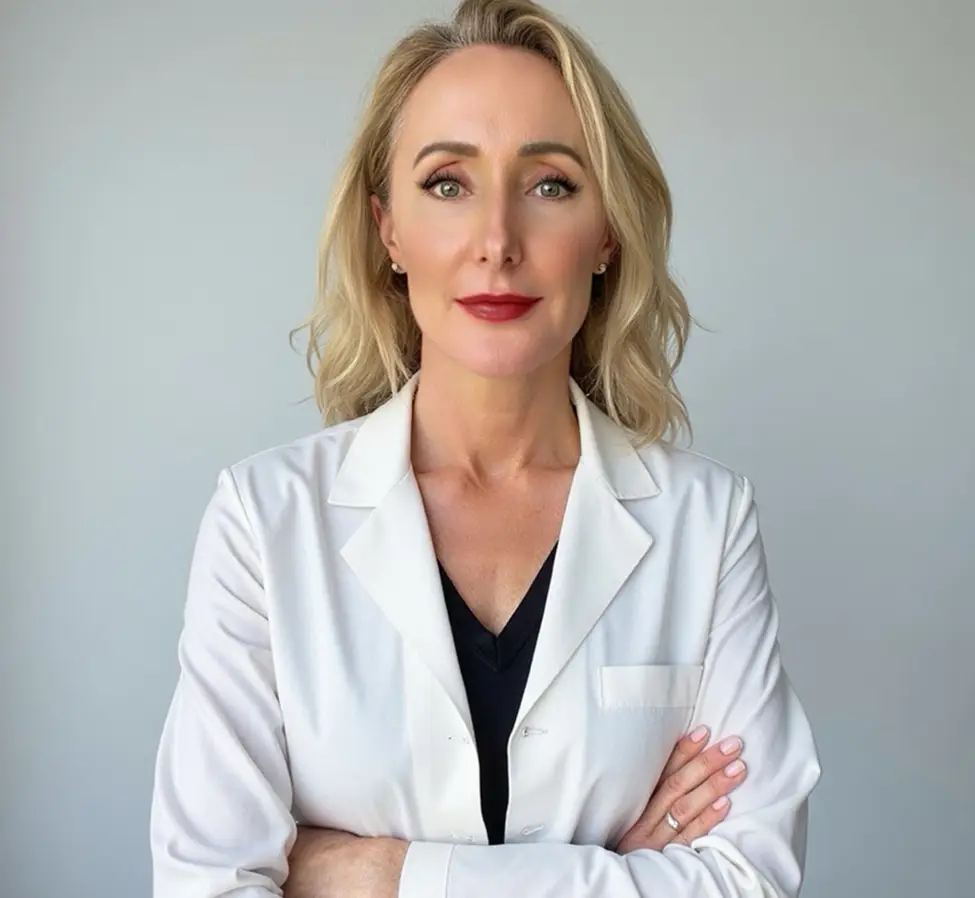
Kelly Wolfe
Kelly Wolfe, MSN, APRN, FNP-BC, CFMP, is a Florida-licensed nurse practitioner and Certified Functional Medicine Practitioner who founded South Florida Face and Body. She explains peptides honestly, what the research supports, what is still early, and how to pursue peptide therapy legally and under proper supervision rather than off an unregulated website.
Her rule on peptides: the science comes first, and ‘legal and supervised’ beats ‘available online’ every time.
Meet Kelly →