
Compounded tretinoin, prescription hydroquinone, brand-agnostic regimens for acne, melasma, and Miami sun damage — prescribed by a University of Miami-trained nurse practitioner who actually reads your skin.
Kelly Wolfe, MSN, FNP-BC built her skincare practice on a discipline that has gone missing in much of Miami's medspa shelf culture: prescribe what your skin actually needs. Not the brand that paid for placement. Not the kit that ships everyone the same five bottles. The compounded formula and clinical regimen calibrated to your face — and adjusted as your skin responds.
4.9 60 Google Reviews
OWNER · UNIVERSITY OF MIAMI-TRAINED · FL APRN #11005134
Acne, melasma, post-inflammatory hyperpigmentation, photoaging, fine lines, rosacea, uneven texture, sun damage, large pores, and skin barrier dysfunction.
30 minutes in-office at our South of Fifth Miami Beach location, or via secure HIPAA-compliant video for telehealth patients.
Acne: 4–12 weeks. Hyperpigmentation and melasma: 8–16 weeks. Fine lines and texture: 12–24 weeks. Photo follow-ups at week 6 and week 12.
$150 consultation (applied to first order). Compounded prescriptions start at $150 per bottle. Full regimen typically $280–$520 per quarter.
Kelly Wolfe, MSN, APRN, FNP-BC — Florida APRN #11005134, University of Miami-trained. Every consultation, every formula adjustment.
1000 5th Street, Suite 414 — South of Fifth, Miami Beach 33139. $4/hr attached garage; free street parking nearby during business hours.
Medical grade skincare is skincare that requires a licensed prescriber to evaluate your skin and either compound a formula for you or recommend therapeutic-strength products available only through clinical practices. The actives sit at concentrations the FDA reserves for prescription — and the formula is calibrated to your specific skin, not a brand's demographic.
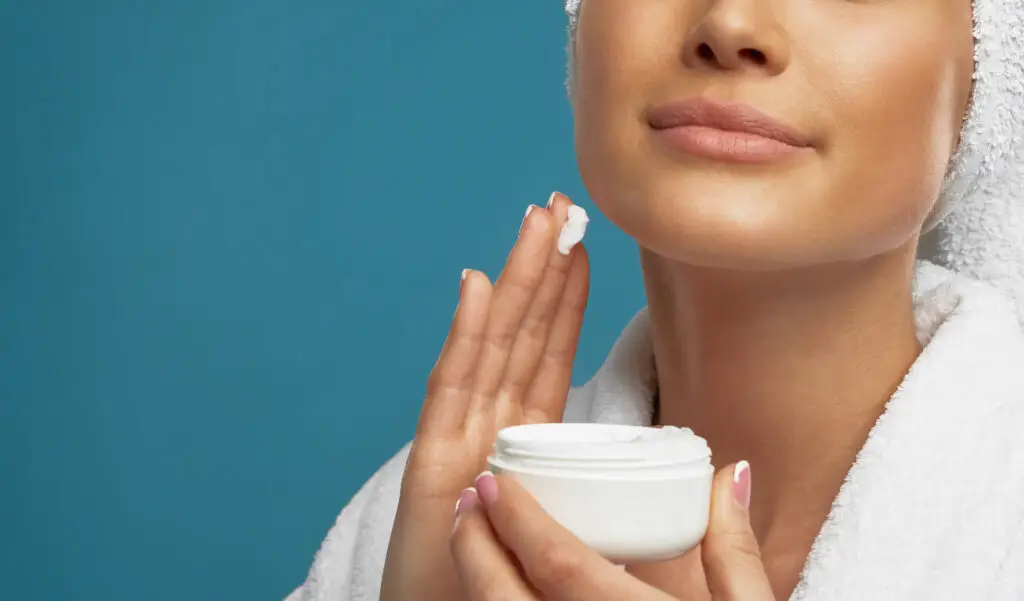
The phrase medical grade gets used loosely in Miami Beach. A medspa shelf full of imported French serums is not medical grade. A skincare consultation with an aesthetician who recommends three brand kits is not medical grade. Medical grade skincare has a specific legal and clinical meaning: a prescriber — a physician, nurse practitioner, or physician assistant licensed in Florida — has evaluated your skin and authorized a formulation that contains active ingredients at concentrations the FDA restricts to prescription use.
In practice, that means three categories of product converge under the medical grade banner. The first is compounded prescription skincare — formulations mixed at a licensed compounding pharmacy that combine actives like tretinoin, hydroquinone, niacinamide, kojic acid, and azelaic acid at concentrations and combinations no over-the-counter product can match. The second is FDA-approved prescription topicals distributed through retail pharmacies — tretinoin, tazarotene, adapalene, clindamycin, dapsone, and others. The third is practice-distributed medical-grade brand lines — SkinBetter Science, ZO Skin Health, SkinCeuticals, EltaMD, Obagi, Alastin — products available only through clinical practices because the formulations require a clinical introduction to use safely and effectively.
Walk into a Sephora or Ulta in Lincoln Road and you will not find any of these. That is the line.
The reason medical grade skincare produces results that drugstore products cannot is not marketing — it is active ingredient concentration. Tretinoin, the gold-standard prescription retinoid with four decades of peer-reviewed evidence behind it, is dosed up to 100 times stronger than the strongest over-the-counter retinol. Prescription hydroquinone at 4% is double the maximum OTC concentration. Compounded azelaic acid runs 15–20%, versus 10% maximum over the counter. The actives are not different molecules — the dose is the difference, and dose is what determines whether the molecule actually changes your skin.
PRESCRIPTION TRETINOIN CONCENTRATION RANGE
PRESCRIPTION HYDROQUINONE DOUBLE THE OTC MAXIMUM
YEARS OF PEER-REVIEWED TRETINOIN EVIDENCE
Every prescription regimen Kelly writes is built from a defined library of active ingredients. Knowing what each one does, and which concern it addresses, is how patients leave consultation understanding their bottle — not just trusting it. The first card below is the ingredient Kelly has built much of her recent practice around: a compounded GHK-Cu copper peptide serum at strengths up to 4%.
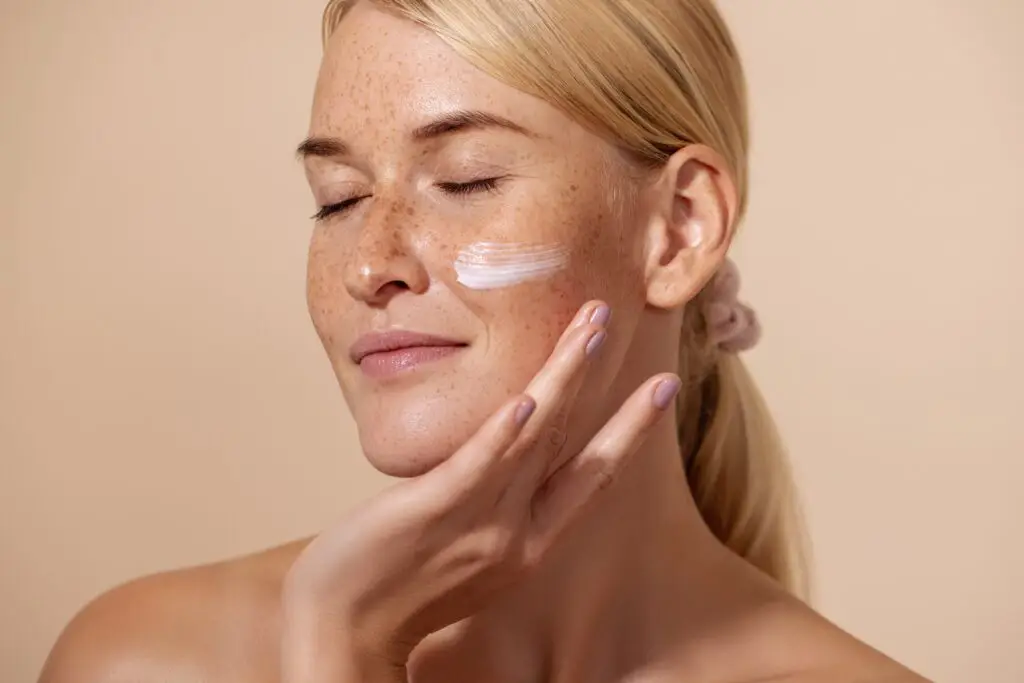
The compounded copper-tripeptide serum Kelly has built much of her recent practice around. GHK-Cu signals fibroblasts to produce new collagen and elastin, accelerates wound healing, dampens inflammation, and supports barrier repair after retinoid initiation, microneedling, or sun damage. At compounded strengths up to 4% — well above what any over-the-counter peptide serum can deliver — it has become the single ingredient Miami Beach patients tend to feel and see fastest. Kelly's words: the game changer.
The most-studied molecule in dermatology. Tretinoin accelerates cell turnover, normalizes follicular keratinization (preventing the plug that causes acne), stimulates fibroblasts to produce new collagen, and breaks up the disordered pigment in sun-damaged skin. Forty years of peer-reviewed evidence support its use for acne, photoaging, fine lines, and uneven tone. Tretinoin also has to be paused around peels and microneedling — see how to sequence your treatments across the year.
The most effective topical depigmenting agent available. Hydroquinone inhibits tyrosinase, the enzyme melanocytes use to produce pigment, breaking the cycle that drives melasma and post-inflammatory hyperpigmentation. Used in protocol cycles — typically 12–16 weeks on, followed by maintenance with kojic acid or azelaic acid — to prevent tolerance and rebound pigmentation.
One of the most versatile prescription actives — and well-tolerated by sensitive and rosacea-prone skin. Azelaic acid is antibacterial against acne-causing bacteria, reduces inflammation, and inhibits tyrosinase for a gentler pigment-lightening effect. Often Kelly's first choice for patients with rosacea-driven redness, sensitive-skin melasma, or post-acne hyperpigmentation who cannot tolerate hydroquinone.
A workhorse anti-inflammatory and barrier-repair ingredient that pairs beautifully with prescription retinoids and hydroquinone. Niacinamide reduces transepidermal water loss, dampens the inflammation that makes retinoid initiation uncomfortable, and contributes its own pigment-lightening effect. At 4–5% in a compounded formula, it is often what makes a prescription regimen tolerable for Miami patients with sun-stressed barriers.
A natural tyrosinase inhibitor used as the maintenance phase of a melasma protocol — picking up where a hydroquinone cycle leaves off. Kojic acid is gentler than hydroquinone, suitable for long-term use, and pairs well with azelaic acid in compounded maintenance serums. For Miami patients managing chronic melasma with year-round UV exposure, kojic acid is what keeps the result holding between hydroquinone cycles.
For inflammatory and hormonal adult acne, Kelly compounds clindamycin with tretinoin and azelaic acid into a single evening application — a regimen-of-one rather than a stack of three products. For hormonally driven jawline acne in women, this topical compounded approach is often paired with a labs-driven discussion about whether oral medication (spironolactone, hormonal optimization) should be part of the plan.
The most evidence-supported daytime antioxidant. L-Ascorbic acid neutralizes free radicals generated by UV exposure, supports collagen synthesis, and brightens overall tone. For Miami Beach patients, daily morning vitamin C — typically a stable 15–20% formulation like SkinCeuticals C E Ferulic — is not optional; it is the photodamage hedge that makes everything else work harder. Curious how these actives layer in as your skin ages? See our skincare ingredient guide by age for how OTC actives like this one compare to what's prescribed here.
The single most important product in a Miami medical grade routine. Daily broad-spectrum mineral SPF — tinted, with iron oxides — blocks not just UVA and UVB but visible light, which is the wavelength most responsible for driving melasma in skin of color. EltaMD UV Clear, EltaMD UV Elements, and ISDIN Eryfotona Ageless are Kelly's most-prescribed daytime SPFs for Miami patients. Without daily SPF, every other product in your regimen is fighting yesterday's UV damage. Not sure whether chemical or mineral sunscreen is actually right for you? See our full breakdown of the two types.
The honest comparison is not about which one wins on principle. It is about three specific differences that determine whether a product can change your skin or only maintain it.
| Drugstore / Sephora | Medical Grade (SFFB) | |
|---|---|---|
| Retinoid potency | Retinol up to ~1%, retinal up to ~0.1%. Must convert in skin to active form — slow, weak. | Tretinoin 0.025% – 0.1%. Already in active form. Up to 100× more potent than the strongest OTC retinol. |
| Hydroquinone | 2% maximum, OTC-restricted. Some products withdrawn from market entirely. | 4% – 8% prescription strength. Cycled protocols managed by a prescriber. |
| Formulation control | Whatever the brand bottled for everyone. One active per bottle, typical. | Compounded to combine multiple actives in one bottle at the ratios your skin needs. |
| Oversight | Return window, brand chatbot, influencer reviews. | Photo follow-ups at week 6 and week 12. Formula adjusted to your skin’s response. |
| Cost over 3 months | $80 – $400+ for a stacked multi-brand routine. | $280 – $520 for a complete compounded regimen, calibrated. |
| Results horizon | Surface hydration immediately. Texture changes minimal. | Acne clearing 4–12 weeks. Pigment 8–16 weeks. Fine lines 12–24 weeks. |
A prescription regimen earns its place when matched to the right concern. Below is how Kelly approaches the conditions Miami Beach patients most often arrive with.

The most common reason adult women come to South Florida Face and Body for medical grade skincare. Adult acne — particularly the inflammatory, cyclical, jawline-and-chin pattern that flares with stress, hormonal shifts, and warmer Miami weather — rarely responds to drugstore acne products built for teenage sebum biology. The protocol Kelly typically writes pairs a compounded evening retinoid (tretinoin + clindamycin + niacinamide in one bottle) with a morning antioxidant and a benzoyl peroxide cleanser two to three nights a week. For patients whose pattern is clearly hormonal, the conversation often expands to hormone-driven lab work and a discussion of whether oral medication should be part of the plan.
Miami’s UV intensity makes melasma — and the post-inflammatory hyperpigmentation that follows any acne, irritation, or even an over-aggressive peel — one of the highest-volume concerns Kelly addresses. The standard protocol is a 12–16 week cycle of compounded hydroquinone (paired with tretinoin and a corticosteroid in the classic Kligman’s formula, modified for Miami climate), followed by a maintenance phase on kojic acid and azelaic acid. The single most important variable is sun protection; without daily tinted broad-spectrum SPF, no melasma protocol holds in Miami. Patients who do not commit to the SPF will see partial improvement that erodes back to baseline within a season.
The cumulative result of 30 or 40 years of Miami sun — fine lines, dyschromia, loss of dermal thickness, the leathery texture that develops over time on chronically sun-exposed skin. Prescription tretinoin is the most extensively studied anti-aging molecule in dermatology, and a nightly tretinoin regimen sustained over 12–24 months produces measurable improvements in fine lines, texture, and dermal collagen density. Kelly increasingly pairs tretinoin with a compounded GHK-Cu copper peptide serum at up to 4% — the ingredient she credits with the fastest visible barrier and tone improvement in her recent practice — alongside morning vitamin C and a hydrating peptide moisturizer for the visible barrier-supporting effect patients want to see.
Rosacea-driven redness, flushing, and papulopustular breakouts require a different prescription approach than acne — the inflammation pattern is distinct, and most acne-targeted retinoids will worsen rosacea. Kelly typically prescribes topical azelaic acid 15–20%, occasionally compounded with low-dose ivermectin where the pattern is demodex-driven, and pairs it with prescription-strength mineral SPF and barrier-supporting niacinamide. For reactive, rosacea-prone barriers, a compounded GHK-Cu peptide serum is often added — the anti-inflammatory and barrier-repair signaling tends to be exceptionally well-tolerated by skin that flares with everything else. The trigger conversation matters as much as the prescription — alcohol, sun, certain foods, and stress are the modifiable drivers Kelly maps out at consultation.
For patients whose primary concern is texture rather than acne or pigment, the regimen Kelly writes typically pairs tretinoin (the single most effective texture-and-tone treatment available) with a glycolic-based morning toner and a peptide moisturizer. Texture concerns respond gradually — visible change at 8–12 weeks, fuller result at 6 months. Medical microneedling is often added quarterly to accelerate the response for patients with deeper texture concerns.
Week 1–2
Initial introduction. 2–3 nights per week to build tolerance. Mild dryness or peeling is normal, not a complication.
Week 3–6
Possible purge period — a temporary acne flare as deeper comedones surface. Acne patients start clearing.
Week 6–12
First photo follow-up. Acne significantly improved. Pigment starting to lighten. Texture beginning to refine.
Month 3–6
Hyperpigmentation and melasma clear substantially. Fine lines softening. Tone evens. Formula may be adjusted.
Month 6+
Full collagen response from tretinoin. Maintenance phase begins. Regimen simplifies to a sustainable long-term plan.
Most Miami Beach medspas push a single brand they're contracted to carry. Kelly is intentionally brand-agnostic — and the compounded-versus-brand decision is its own clinical call.
The advantage of compounded prescription skincare is precision: one bottle that combines tretinoin, hydroquinone, niacinamide, and a corticosteroid at the exact ratios your skin needs. One product instead of four. Adjusted across follow-ups as your skin responds. No fragrance, no dyes, no preservatives you’ve reacted to. This is the formulation approach Kelly uses for most patients with defined concerns — acne, melasma, photoaging — because it puts the actives in one calibrated vehicle and removes the variables.
The advantage of medical-grade brand products — SkinBetter Science, ZO Skin Health, SkinCeuticals, EltaMD, Obagi, Alastin — is formulation engineering. These brands invest in vehicle technology that delivers actives more effectively, and certain products have peer-reviewed data behind them that justifies their price. SkinCeuticals C E Ferulic remains the most evidence-supported daytime antioxidant on the market. EltaMD UV Clear is the SPF dermatologists most commonly prescribe for acne-prone skin. SkinBetter’s AlphaRet line bridges the gap between OTC retinol and prescription tretinoin for patients who want a less aggressive introduction. These are the products that earn their place — and the products Kelly will recommend by name when they are the right answer.
What this means for you: a complete regimen often combines both — a compounded evening prescription doing the heavy clinical work, paired with a small number of medical-grade brand products (daytime antioxidant, SPF, occasionally a peptide moisturizer) where the brand formulation genuinely outperforms what compounding can replicate. Kelly does not receive commission or quota incentives on any single brand. If your existing SkinCeuticals serum from another practice is working, she will tell you to keep using it.
Patients who arrive at South Florida Face and Body after previous medical grade disappointment usually trace the failure to one of three issues. Knowing these in advance is half the fix:
How we approach this differently. Skincare at South Florida Face and Body is prescribed against your specific assessment — compounded where compounding makes clinical sense, brand-product where a specific brand outperforms what compounding can do. SPF is built into every protocol as a non-negotiable. Follow-ups are scheduled at week 6 and week 12 with photo documentation. The regimen is adjusted as your skin responds — not sold once and forgotten.
Most Miami Beach practices won't publish pricing. We do, because patients deserve to know what they're walking into before they sit down.
The ranges below reflect what Kelly actually charges as of 2026. Your written quote at consultation reflects your specific regimen. No subscription locks, no quarterly minimums, no per-bottle markups above what’s published.
30 minutes. Applied toward your first prescription or product order.
Per bottle. Most last 8–16 weeks depending on area treated.
Cleanser, AM antioxidant, evening compounded Rx, moisturizer, medical SPF.
What you pay for. Transparent pricing means your invoice matches your written quote, which matches what we publish here. Compounded prescriptions are filled by a licensed Florida compounding pharmacy and shipped to you; brand products are priced at MSRP. No membership tier is required to access prescription pricing. If you want a single product audited against your existing routine before committing to a full regimen, Kelly will do that — and tell you if your existing routine is already covering most of what you need.
How Miami Beach compares to the national average. Miami Beach medical grade skincare runs roughly in line with the national clinical average. Quotes meaningfully above the ranges published here usually reflect Brickell or Bal Harbour rent — not better formulations.
South Florida Face and Body sits in Suite 414 at 1000 5th Street, at the southern tip of Miami Beach. From SoFi, Kelly draws medical grade skincare patients across the barrier islands, across the causeway to mainland Miami, and from as far south as Key Biscayne — plus telehealth patients across Florida.
SoFi is one of the most accessible aesthetic locations in the city — close to the MacArthur Causeway for Brickell, Downtown, and Key Biscayne patients, and a clear straight shot up Collins or Indian Creek for Mid-Beach, Surfside, and Bal Harbour. Most skincare patients only need one in-office consultation; subsequent follow-ups can be telehealth, which makes the practice convenient for patients across South Florida.
1000 5th Street, Suite 414 · Miami Beach, FL 33139
Geography matters in skincare formulation more than patients realize. A Sunset Harbour patient who trains outdoors four mornings a week has a different UV exposure baseline than a Brickell finance executive whose skin sees more office light than sun. A Key Biscayne patient with twenty years of weekend salt-and-sun exposure has a different barrier baseline than a Mid-Beach patient whose skin is sun-managed under hats and SPF. Kelly factors that biology into formula vehicle and SPF protocol — not just the active concentration.
The parking garage attached to our building is $4 per hour — not free, despite what you’ll occasionally see written. Free street parking is available around the building during business hours on every side except one pay-to-park stretch (clearly metered). Most patients prefer street parking for short visits and the garage for longer appointments. The entrance to Suite 414 is on 5th Street.
A medical grade skincare consultation runs 30 minutes — most of which is conversation. The prescription comes at the end, after Kelly has read your skin and your history.
Patients arrive at South Florida Face and Body from across Miami-Dade for a particular kind of skincare experience — one where the prescription is a clinical decision rooted in your specific skin assessment, not a brand kit tied to a referral commission. In a city saturated with medspas selling the same five-bottle starter sets, the difference is direct, personal, and consistent care from the same prescriber every visit.
Kelly Wolfe is a Florida-licensed Advanced Practice Registered Nurse (APRN #11005134) and board-certified Family Nurse Practitioner (FNP-BC), credentialed by the American Nurses Credentialing Center. She holds a Master of Science in Nursing from the University of Miami, plus a Master’s in Biochemistry from Missouri State University. That biochemistry background matters for skincare in ways patients don’t always realize — the chemistry that explains why certain vehicles deliver tretinoin better than others, the molecular reason hydroquinone tolerance develops with continuous use, the pharmacokinetics of how compounded actives interact at the skin barrier. These are the conversations she actually has at consultation, not pamphlet-level summaries. She is also a Certified Functional Medicine Practitioner — which is why the conversation about your skin sometimes expands into hormones, sleep, and inflammation when your acne or pigment story warrants it.
And she owns the practice. The person you book with is the person who prescribes for you — every visit, start to finish.
Same-week consultations available. South of Fifth, Miami Beach.
Kelly is the owner of South Florida Face and Body. A board-certified Family Nurse Practitioner trained at the University of Miami, she holds advanced degrees in nursing, biochemistry, and biology, with graduate research focused on metabolism and the role of leptin and appetite-suppressing hormones. She practices at the intersection of functional medicine and aesthetic injection — meaning the conversations in her treatment room often go beyond the syringe to consider sleep, hormones, metabolism, and inflammation as part of how your skin and face actually present.
Licensed as an Advanced Practice Registered Nurse in the State of Florida (APRN #11005134), Kelly brings more than three decades of experience in health, fitness, and clinical practice. She has performed aesthetic injections in South Florida for over a decade and has trained alongside the dermatology and plastic surgery community that built Miami’s aesthetic reputation.
She is the one who answers your text message. She is the one who calls the day after your injection.
From your first consultation through every follow-up, you’ll work directly with Kelly — one injector, one set of hands, one consistent plan.
Advanced practice registered nursing with a focus on family health and primary care.
Research focused on metabolism and the role of leptin and appetite-suppressing hormones.
Research with a strong foundation in human physiology, cellular biology, and biochemistry.
National certification in family practice and primary care.
Authorized to diagnose, treat, and prescribe medications in the State of Florida.
Advanced training in root-cause diagnostics, hormone optimization, metabolic health, and integrative wellness.
Over 30 years helping clients achieve sustainable health and wellness transformations.
Common questions from Miami Beach patients considering medical grade skincare. If yours isn't covered here, Kelly is happy to answer directly — text or call.
Medical grade skincare is skincare that requires a licensed prescriber — a physician, nurse practitioner, or physician assistant — to evaluate your skin and either compound a custom formula or recommend a product line distributed only through clinical practices. The active concentrations exceed what the FDA permits over the counter: prescription tretinoin at 0.025% to 0.1%, hydroquinone at 4% or higher, and prescription-strength azelaic acid at 15% to 20%.
Unlike retail skincare, the formula is calibrated to your specific skin assessment rather than a marketing demographic — and adjusted across follow-ups as your skin responds.
At South Florida Face and Body, an initial consultation is $150, applied toward your first prescription or product order. Compounded prescription formulas start at $150 per bottle and last 8 to 16 weeks depending on the area treated. A complete prescription regimen — cleanser, AM antioxidant, evening compounded retinoid, moisturizer, and medical-grade SPF — usually totals $280 to $520 every 3 months.
Single-brand medical-grade products (SkinBetter, ZO Skin Health, SkinCeuticals, EltaMD) are priced at MSRP. No subscription locks, no quarterly minimums, no per-bottle markups above what’s published. See the full pricing breakdown above.
For most patients with a defined skin concern — acne, melasma, post-acne hyperpigmentation, photoaging, rosacea, or visible fine lines — yes. The active ingredient concentrations available only by prescription produce results drugstore products cannot. Prescription tretinoin alone is the single most studied anti-aging ingredient in dermatology, with peer-reviewed evidence going back four decades.
For someone with healthy, untroubled skin and no specific concern, a basic SPF and gentle moisturizer routine is often enough. The honest answer depends on what your skin actually needs — which is what Kelly evaluates at consultation before recommending anything.
For active inflammatory acne in adults, the most evidence-supported medical grade protocol pairs a prescription topical retinoid (tretinoin, adapalene, or tazarotene) with a benzoyl peroxide-based cleanser and an azelaic acid serum. For hormonally driven adult acne — most commonly along the jawline in women — Kelly often compounds clindamycin into the evening retinoid and may discuss labs-driven hormonal work or oral medication (spironolactone) where the pattern warrants it.
The right protocol is the one matched to whether your acne is inflammatory, comedonal, hormonal, or post-inflammatory pigmentation-dominant — which is what gets diagnosed at consultation.
Three differences matter:
1. Active concentration. Prescription tretinoin is dosed up to 100 times stronger than the strongest OTC retinol. Prescription hydroquinone at 4% is double the OTC ceiling.
2. Formulation control. Compounded medical skincare lets a prescriber combine actives in one bottle at the exact ratios your skin needs. OTC products are stuck with what the brand decided to bottle for everyone.
3. Oversight. A prescriber monitors response and adjusts formulation across follow-ups. OTC products give you a 30-day return window and a brand chatbot.
GHK-Cu is a copper tripeptide — glycyl-L-histidyl-L-lysine bound to copper — with peer-reviewed evidence for stimulating collagen and elastin production, accelerating wound healing, dampening inflammation, and supporting skin barrier repair.
At our Miami Beach office, GHK-Cu is compounded at strengths up to 4% — well above the 0.05% to 0.2% concentrations found in over-the-counter copper peptide serums. Kelly describes it as the game changer in her recent practice, particularly for patients with photoaged, sun-stressed, or barrier-compromised Miami skin. She frequently pairs it with prescription tretinoin in anti-aging regimens, with azelaic acid for rosacea, and uses it for post-procedure barrier support after medical microneedling. It is exceptionally well-tolerated, even by reactive and rosacea-prone skin that flares with most other actives.
Timelines vary by concern:
Acne breakouts: 4 to 8 weeks for first clearing, significant improvement by week 12.
Hyperpigmentation & melasma: 8 to 16 weeks with consistent hydroquinone and SPF.
Fine lines, tone & texture: 12 to 24 weeks for visible change from tretinoin, full collagen response by month 6.
The first 2 to 6 weeks on a new retinoid often include a purge period of mild peeling or temporary breakout — this is normal and not a sign the formula is wrong. Kelly schedules a follow-up at week 6 to assess and adjust.
For compounded prescription formulations — anything containing tretinoin, hydroquinone, prescription-strength azelaic acid, or compounded combinations — Florida law requires a licensed prescriber to evaluate you before prescribing. That evaluation can happen in-person at our Miami Beach office or via secure HIPAA-compliant telehealth video.
For evidence-based medical-grade brand products that don’t require a prescription (SkinCeuticals C E Ferulic, EltaMD UV Clear, ZO Daily Power Defense), you can purchase directly through our online dispensary without a consultation — though we always recommend the assessment for anything beyond a single product.
We are intentionally brand-agnostic. Kelly’s compounded prescription formulations are mixed by a licensed compounding pharmacy in Florida. For brand products, we carry SkinBetter Science, ZO Skin Health, SkinCeuticals, EltaMD, Obagi Medical, and Alastin — chosen because each line has specific products with strong peer-reviewed data, not because the brand pays for shelf placement.
We do not run brand-loyalty programs and Kelly is not incentivized to push any single brand. If your existing product from another brand is working, she will tell you to keep using it.
Yes — and often more appropriate than over-the-counter skincare, because the formula can be specifically calibrated to your sensitivity. For reactive or rosacea-prone skin, Kelly typically starts at lower concentrations (tretinoin 0.025% or azelaic acid 15%), introduces actives one at a time, and uses a buffered application schedule (every third night, building to nightly).
The compounded approach also lets her remove common irritants — fragrance, dyes, certain preservatives — from the formula entirely, which off-the-shelf brands cannot do.
Miami’s climate fundamentally changes the formulation. Year-round UV intensity, salt-air humidity, and chlorinated pool exposure mean that protocols built for Northeast or Pacific Northwest skin tend to fail here.
Kelly’s Miami Beach formulations typically run lighter occlusive bases (gel-cream rather than ointment-based vehicles), build in daily broad-spectrum tinted SPF as non-negotiable, specifically address the post-inflammatory hyperpigmentation that constant UV exposure drives in skin of color, and account for the chlorine and salt exposure that strips a barrier built for drier climates. The same active at the same concentration in the wrong vehicle is a different product on Miami skin.
Not most of it. Tretinoin, prescription retinoids, hydroquinone, and salicylic acid above certain concentrations are contraindicated during pregnancy due to systemic absorption risk. Many oral acne medications are also off-limits.
Kelly writes pregnancy-safe regimens that focus on what is appropriate — azelaic acid, niacinamide, glycolic acid at lower concentrations, vitamin C, peptides, mineral SPF, and hydrating barrier-support ingredients. The regimen looks different from the standard prescription protocol, but it absolutely can be effective for melasma, hyperpigmentation, and texture during pregnancy. Disclose pregnancy or breastfeeding at consultation so the prescription is built around it.
Topical prescription skincare — tretinoin, hydroquinone, azelaic acid, niacinamide — does not interact meaningfully with anticoagulant or antiplatelet medications (aspirin, warfarin, Plavix, Eliquis, Xarelto). You do not need to stop your blood thinner for medical grade skincare.
That said, any decision about adjusting or pausing an anticoagulant should be made only with your prescribing physician — never on your own based on an aesthetic consultation. Bring a full list of your current medications to your consultation so Kelly can review them in context.
For patients across Florida who can’t get to our Miami Beach office, the consultation is conducted via secure HIPAA-compliant video. You’ll upload high-resolution photos of your skin from multiple angles and lighting conditions ahead of the visit, complete a detailed intake form, and meet with Kelly via video for 30 minutes.
Compounded prescriptions are filled by our partner Florida compounding pharmacy and shipped directly to you within 5–7 business days. Brand products ship from our practice. Follow-ups at week 6 and week 12 can also be telehealth, with photo documentation reviewed before each visit.
Yes — and the combination is often what produces the most visible results. Medical grade skincare pairs naturally with medical microneedling (the prescription regimen amplifies the response between sessions), with neuromodulator for the upper face, with filler for volume restoration, and with chemical peels for accelerated pigment and texture results.
Sequencing matters — Kelly will plan the order at consultation based on what you want to settle when. Most patients with multiple concerns benefit from establishing the daily prescription routine first, then layering in office treatments after the regimen is tolerated.
1000 5th Street, Suite 414, Miami Beach, FL 33139 — in the South of Fifth (SoFi) district at the southern tip of Miami Beach. We’re 9 minutes from Brickell, 10 from Mid-Beach, 19 from Bal Harbour.
Parking is available in the attached garage for $4 per hour. Free street parking is available around the building during business hours (one nearby stretch is pay-to-park; the rest is free). Phone: (786) 529-1860. Hours: Monday–Friday 10am–6pm, Saturday 10am–2pm.