
By Kelly Wolfe, MSN, APRN, FNP-BC, CFMP · Updated August 1, 2026
Botox vs. Xeomin is one of the most common comparisons patients make before their first wrinkle-relaxing treatment (and the honest answer is that they’re more alike than different. Both are FDA-approved injectables made from the same active ingredient, botulinum toxin type A, and both smooth the same lines: frown lines between the brows, forehead creases, and crow’s feet. The main difference is that Xeomin is a “naked” toxin with the surrounding proteins removed, while Botox keeps them. At South Florida Face and Body in Miami Beach, nurse practitioner Kelly Wolfe (MSN, APRN, FNP-BC, CFMP) injects both), and will tell you plainly that the result depends far more on the injector than on the brand in the vial.
This guide walks through exactly how the two compare (results, units, cost, longevity, and safety), and how to decide which one fits you.
Botox vs. Xeomin: the quick answer
Botox and Xeomin are both botulinum toxin type A injectables that relax the muscles behind expression lines. They work the same way, treat the same areas, use roughly the same number of units, and last about the same amount of time. The main difference is that Xeomin is “purer” (it has no accessory proteins), which is also why it’s sometimes a little less expensive.
If you just want a decision: either is an excellent choice for softening frown lines, forehead lines, and crow’s feet. A skilled injector can give you a natural, refreshed result with either one. The differences below are real but subtle, and for most people the deciding factor is the provider, not the product. You can explore both on our neuromodulators page.
How Botox and Xeomin are the same
Both are the same class of medication (botulinum toxin type A), and both work by temporarily blocking the nerve signals that make certain muscles contract, so the skin above them stays smooth.
The similarities are the bigger story:
- Same active ingredient. Both use botulinum toxin type A, the most studied wrinkle-relaxing molecule in aesthetics.
- Same mechanism. Each temporarily quiets the targeted muscle so dynamic lines (the ones that appear when you frown, raise your brows, or smile) soften.
- Same treatment areas. Frown lines (the “11s“), horizontal forehead lines, and crow’s feet are the classic uses for both.
- Same experience. A few tiny injections, minimal discomfort, no downtime, and results that develop over several days.
The real difference: Xeomin is the “naked” toxin
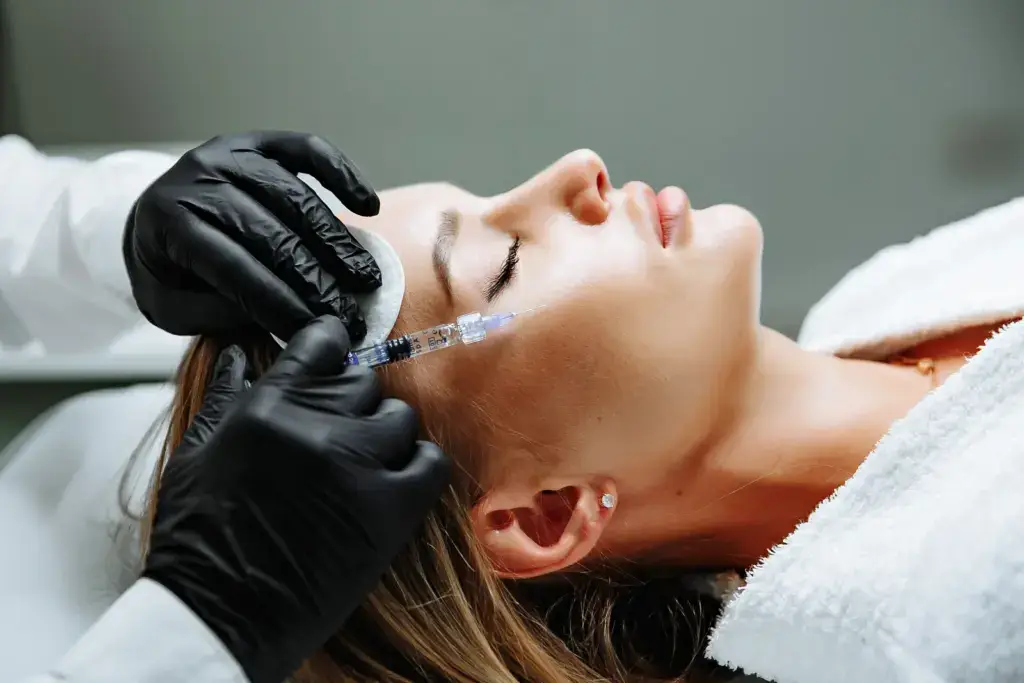
The one meaningful difference is purity. Xeomin is processed to remove the accessory proteins that surround the toxin molecule, so it’s often described as a “naked” or “pure” botulinum toxin. Botox keeps those proteins.
Those accessory proteins don’t do anything to smooth your wrinkles, the toxin does that. But because they’re foreign proteins, there’s a theory that, over years of frequent treatment, some people could develop antibodies to them that make the product gradually less effective. By stripping them out, Xeomin may carry a lower risk of that resistance developing over the long term. For most patients this is a minor consideration, but it’s a genuine reason some providers and long-time users prefer Xeomin.
Is Xeomin generic Botox? No, this is a common misconception. Xeomin isn’t a generic version of Botox; it’s a distinct FDA-approved product from a different manufacturer. There is no true generic for these injectables. “Naked toxin” and “generic” are not the same thing.
Do they last the same? Onset and longevity
Both typically start working within a few days, reach full effect in about two weeks, and last roughly three to four months. Neither is dramatically longer-lasting than the other for most people.
You’ll usually notice softening two to four days after treatment, with the full result at around two weeks. From there, both wear off gradually over about three to four months, at which point you’d return for maintenance. Some patients feel one lasts slightly longer for them personally, but head-to-head, the difference in longevity is small. If you want a deeper look at how long injectables last, our guide on the lifespan of Botox and fillers breaks it down.
Units and dosing: is it 1:1?
Botox and Xeomin are dosed almost identically (roughly a 1:1 unit conversion), so the number of units you need for a given area is about the same either way.
This surprises people who assume a “purer” product means fewer units. It doesn’t: Xeomin and Botox are measured in comparable units, and a treatment that takes, say, 20 units of Botox in the forehead takes a similar amount of Xeomin. What actually determines your units is your muscle strength and the areas being treated, not the brand. Your injector tailors the dose to your face either way.
Cost: is Xeomin cheaper?
Xeomin is sometimes priced slightly lower per unit than Botox, which is part of why some patients choose it, but because the two use similar unit amounts, the total cost of a treatment is often close.
Pricing for neuromodulators is per unit, and Xeomin’s per-unit price can run a little below Botox at some practices. Since the number of units is comparable, though, the overall difference for a full treatment tends to be modest rather than dramatic. Rather than choose on price alone, it’s worth choosing on fit and injector skill, a slightly cheaper product placed poorly is no bargain. At your consultation, Kelly maps out the units your face actually needs and quotes the plan transparently.
Side effects and safety
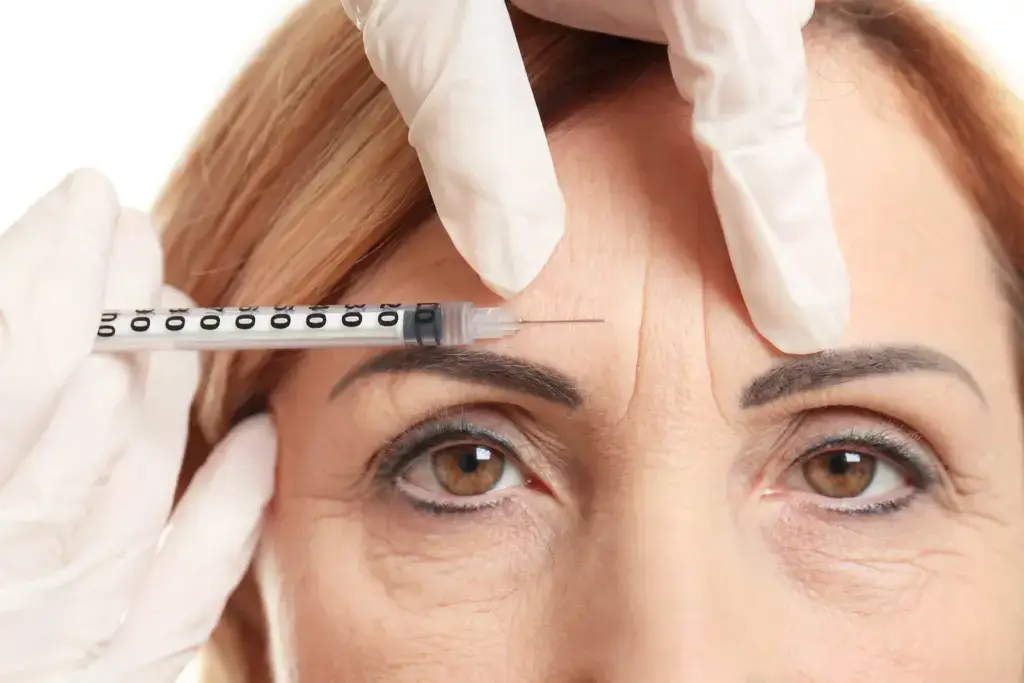
Both Botox and Xeomin have long, strong safety records when injected by a trained, licensed provider. The most common side effects are temporary and mild: minor bruising, redness, or slight swelling at the injection sites, and occasionally a short-lived headache.
Serious side effects are rare in experienced hands. The occasional “heavy” brow or slight asymmetry almost always comes down to injection technique and placement, which is exactly why the provider matters more than the brand.
A note on bruising and blood thinners: because these are injections, they can bruise. If you take an anticoagulant such as warfarin, Eliquis, or Xarelto, don’t stop or change it on your own to reduce bruising, always consult your prescribing physician first, and tell Kelly at your consultation so your treatment is planned safely.
Where Dysport and Daxxify fit in
Botox and Xeomin aren’t the only options. Dysport and Daxxify are also botulinum toxin type A injectables, each with slightly different characteristics, Dysport tends to spread a bit more and can suit larger areas, while Daxxify is formulated to last longer for some patients.
If you’ve been comparing every product on the market, the honest takeaway is that all of these are excellent tools, and the “best” one is the one matched to your anatomy and goals by a skilled injector. We carry more than one on purpose, so the choice is driven by your face rather than by what’s in stock. Our neuromodulators page covers the full menu, and Dysport has its own page if you’d like to compare it too.
The wider category keeps moving, too. This year’s aesthetic medicine trends covers where neuromodulators are heading alongside the regenerative treatments that increasingly sit beside them.
So which is right for you?
For most people, either Botox or Xeomin is a great choice, and the decision comes down to a conversation with your injector rather than a clear winner. Xeomin may edge ahead for long-time users concerned about resistance or watching cost; Botox has the longest track record. The injector’s skill matters more than either.
Here’s how Kelly approaches it: she looks at your muscle strength, your goals, how your face moves, and your history with neuromodulators, then recommends the product that fits, and injects it with a restrained, proportion-first hand so you look refreshed, not frozen. If you’re brand-new to this, that personalized assessment matters far more than which name you walked in asking for. A natural result is a technique outcome, not a brand outcome.
Neuromodulators are also only one part of an anti-aging plan. If you’re thinking longer-term rather than treating one set of lines, the anti-aging treatments in Miami Beach that actually work sets out how injectables fit alongside collagen-building and skin-quality options.
Where to find us in Miami Beach
Where to Find Us in Miami Beach
Our office sits on 5th Street at the northern edge of South of Fifth (SoFi), the southern tip of Miami Beach, about three blocks from Ocean Drive. Patients come to us from across Miami Beach, Brickell, Mid-Beach, and Bal Harbour for Botox and Xeomin.
1000 5th Street, Suite 414
Miami Beach, FL 33139
Ready to find your best result?
Book a consultation with Kelly Wolfe for an honest recommendation (Botox, Xeomin, or another neuromodulator) matched to your face and injected with a natural, proportion-first hand. Book a consultation.
Frequently Asked Questions
Is Xeomin better than Botox?
Neither is clearly better, they’re both botulinum toxin type A injectables that work the same way, treat the same lines, use similar units, and last about the same time. Xeomin is a “purer” toxin with no accessory proteins, which some long-time users prefer, while Botox has the longest track record. For most people the injector’s skill matters more than which brand is chosen.
What’s the difference between Botox and Xeomin?
The main difference is purity. Xeomin has the accessory proteins around the toxin removed, so it’s often called a “naked” or “pure” botulinum toxin, while Botox keeps those proteins. That’s why Xeomin may carry a slightly lower long-term risk of antibody resistance and is sometimes a little cheaper. Otherwise they perform very similarly.
Is Xeomin generic Botox?
No. Xeomin is not a generic version of Botox, it’s a distinct FDA-approved product made by a different manufacturer. There is no true generic for these injectables. Xeomin being a “naked” toxin refers to its purity, not to it being a copy of Botox.
Does Xeomin last longer than Botox?
Not meaningfully. Both typically start working within a few days, reach full effect around two weeks, and last roughly three to four months before you’d return for maintenance. Some people feel one lasts a little longer for them personally, but head-to-head the difference in longevity is small.
How many units of Xeomin vs. Botox do I need?
They convert at roughly 1:1, so the number of units is about the same for either product. A “purer” toxin does not mean fewer units. What determines your dose is your muscle strength and the areas being treated, and your injector tailors it to your face.
Is Xeomin cheaper than Botox?
Xeomin’s price per unit can be slightly lower than Botox at some practices, which is one reason patients choose it. But because both use similar unit amounts, the total cost of a treatment is often close. It’s better to choose based on fit and injector skill than on price alone.
How do you pronounce Xeomin?
Xeomin is pronounced “zee-OH-min” (rhyming roughly with “see-oh-min”), with the emphasis on the middle syllable. It’s made by Merz Aesthetics and, like Botox, is a botulinum toxin type A used to soften expression lines.
Is Xeomin safe?
Yes. Xeomin has a strong safety record when injected by a trained, licensed provider, as does Botox. The most common side effects are temporary and mild, minor bruising, redness, or a short-lived headache. Serious reactions are rare, and good technique is what keeps results safe and natural.

Kelly Wolfe
Kelly Wolfe, MSN, APRN, FNP-BC, CFMP, is a Florida-licensed nurse practitioner and Certified Functional Medicine Practitioner who founded South Florida Face and Body. She injects both Botox and Xeomin herself with a restrained, proportion-first hand, and she will tell you honestly that the result depends far more on the injector than on which brand is in the vial.
Her rule for neuromodulators: the brand matters less than the hand holding the syringe, natural movement, never frozen.
Meet Kelly →