

Melasma & Hyperpigmentation Treatment in Miami Beach | South Florida Face and Body
Melasma & Hyperpigmentation · Miami Beach · South of Fifth

Melasma & Hyperpigmentation Treatment in Miami Beach

An honest, sun-first plan for stubborn pigment, one that treats the triggers instead of promising to erase them.

Melasma treatment in Miami Beach works best as a layered, honest plan rather than a single quick fix, because melasma is a chronic condition that is managed and controlled, not permanently cured. At South Florida Face and Body, Kelly Wolfe treats melasma and hyperpigmentation with daily sun protection, medical-grade skincare, and gentle microneedling, and looks at the triggers behind the pigment, from Miami's year-round sun and heat to hormones, using her functional-medicine background. Every plan is built and performed by owner and nurse practitioner Kelly Wolfe, MSN, APRN, FNP-BC.

4.9·60 Google reviews
Melasma and hyperpigmentation treatment in Miami Beach, woman with clear, even-toned skin
KW
Kelly Wolfe, MSN, APRN, FNP-BC OWNER · BOARD-CERTIFIED NURSE PRACTITIONER · FL APRN #11005134

Melasma treatment in Miami Beach, at a glance.

What it treats

Melasma and hyperpigmentation, the dark patches and uneven tone driven by sun, heat and hormones.

What causes it

Miami sun, heat and visible light, plus hormones (pregnancy, birth control), genetics and skin type.

Can it be cured

Managed and controlled, not permanently cured. Most people fade it meaningfully and keep it faint with a consistent plan.

How we treat it

Sun protection first, then medical-grade skincare and gentle microneedling. Conservative, to protect your skin.

Timeline & downtime

Gradual over months, with little to no downtime. Results vary and are maintained over time.

Who performs it

Kelly Wolfe, MSN, APRN, FNP-BC, nurse practitioner and functional-medicine practitioner, Florida APRN #11005134.

What melasma and hyperpigmentation are.

Melasma and hyperpigmentation are both patches of darker skin caused by excess melanin, but melasma is a chronic, hormone-and-sun-driven pattern, while hyperpigmentation is often a mark left behind by a specific event like sun exposure or a breakout.

Hyperpigmentation is an umbrella term for skin that has turned darker in spots, and it includes sun spots, post-inflammatory marks after acne, and more. It often responds well and can fade substantially once the cause is handled. Melasma is a specific, more stubborn form: symmetrical brown or gray-brown patches, usually on the cheeks, forehead, upper lip or bridge of the nose, that flare and fade with sun and hormones. It is common, it is not harmful, and it is very treatable, as long as the plan is honest about what treatment can and cannot do.

The key is to treat the triggers and manage the condition, not to chase a permanent erase that melasma does not offer.

What triggers melasma: Miami sun, heat and hormones.

Melasma is driven by sun, heat and visible light, by hormones such as pregnancy and birth control, and by genetics, and Miami's year-round climate keeps nearly all of those triggers switched on.

Miami sun and heat, a major trigger for melasma and facial hyperpigmentation, in Miami Beach
Year-round UV, heat and even visible light keep pigment cells active, which is why melasma is so common and so persistent in Miami.

Sun, heat and visible light. Ultraviolet light is the best-known trigger, but heat and the visible light from the sun (and even screens) can stimulate pigment too. In a city with intense sun almost every month and an outdoor, beach-and-boat lifestyle, that exposure is constant, which is why sun protection is the foundation of any real plan here.

Hormones. Melasma is so strongly linked to pregnancy that it is often called the mask of pregnancy, and birth control and other hormonal shifts can set it off or worsen it. This is where Kelly's functional-medicine background matters: she considers the hormonal and internal picture behind the pigment, not just the surface. If a medication such as a hormonal contraceptive seems to be a trigger, talk with your prescribing physician about your options before changing or stopping it.

Understanding your specific triggers changes the plan. A melasma flare driven by summer sun is handled differently from one tied to a recent hormonal change, and Kelly tailors the approach to what is actually driving your pigment.

Can melasma be cured?

No, melasma cannot be permanently cured; it is a chronic condition that is managed and controlled. With a consistent, sun-first plan, most people fade the pigment meaningfully and keep it faint, though it can return if sun protection slips or a trigger flares.

Any clinic that promises to erase melasma for good is overpromising, and that matters, because chasing a cure often leads to aggressive treatment that makes melasma worse. The realistic and reassuring truth is that melasma responds well to steady management: the patches lighten, the skin looks clearer, and with maintenance the result holds. Hyperpigmentation from a single cause, like an old sun spot or an acne mark, is often more completely resolvable than true melasma.

How Kelly treats melasma and hyperpigmentation.

Melasma responds to a layered plan, not one procedure: daily sun protection as the foundation, medical-grade skincare to fade pigment gradually, and gentle microneedling to support the result, all kept conservative to protect your skin.
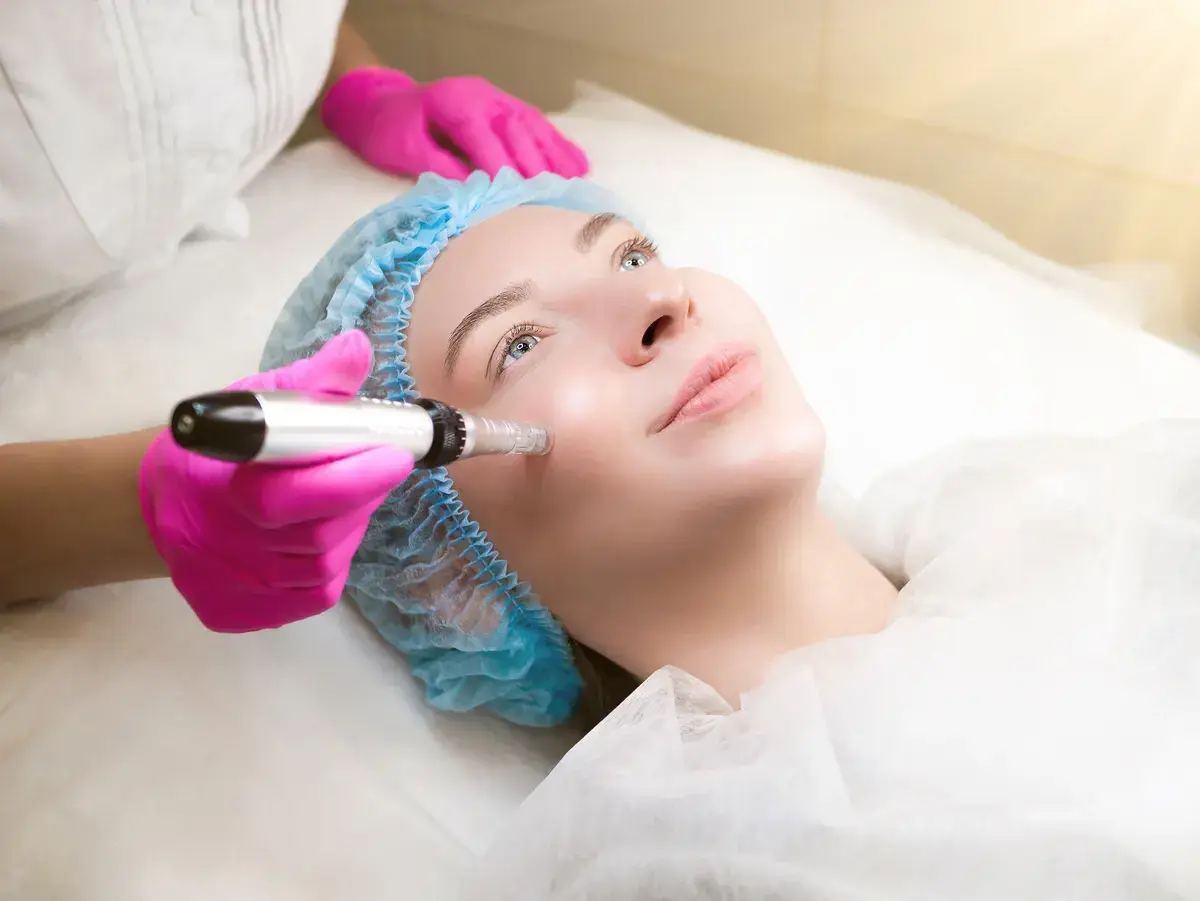
Microneedling and medical-grade skincare for melasma at a Miami Beach med spa, performed by a nurse practitioner
A layered, sun-first plan, built around your skin type and triggers, rather than a single aggressive treatment.

The plan rests on three layers that work together.

Layer
What it does
Cadence
Sun protection
Blocks the UV, heat and visible light that drive melasma. The single most important step, and what makes everything else hold.
Every day, reapplied, year-round; a mineral SPF with iron oxide is ideal
Medical-grade skincare
Prescription-strength and cosmeceutical actives that gradually fade pigment and calm overactive pigment cells.
Daily at home, adjusted over time
Gentle microneedling
Conservative in-office sessions that support skin renewal and help even tone, used carefully on melasma-prone skin.
Spaced sessions, as your skin tolerates

Explore the two in-office pieces of the plan: microneedling in Miami Beach and Kelly's medical-grade skincare. She matches the mix to your skin type and triggers, and reviews the whole plan on the aesthetic services menu.

Why conservative beats aggressive for pigment.

Aggressive lasers and deep peels can worsen melasma, especially in deeper skin tones, so a careful, layered, sun-first approach protects your skin from the post-inflammatory darkening that undoes progress.

Melasma is unusual in that the same energy that clears a simple sun spot can trigger a worse flare when it is used too aggressively on melasma-prone skin. That is why Kelly does not chase melasma with the strongest possible device. Even microneedling is kept gentle and treated as one supporting piece, because done too aggressively it too can provoke pigment. The goal is steady, safe improvement that lasts, not a dramatic single session that risks setting you back.

What treatment is like, and realistic results.

Melasma improves gradually over a few months of consistent skincare and sun protection, with little to no downtime, and is maintained over time rather than resolved in one visit.

Even, brighter skin tone after melasma and hyperpigmentation treatment in Miami Beach
Steady, honest improvement: clearer, more even tone over months, held with maintenance and daily sun protection.

After a consultation maps your skin type and triggers, most of the work happens at home with your medical-grade skincare and sun protection, which fit into your daily routine. Gentle microneedling sessions, when they are part of the plan, involve minor redness for a day or so. Patience genuinely matters more with melasma than with almost any other skin concern, and Kelly will be honest with you about the pace and about what maintenance the result needs to hold.

Where to find us in Miami Beach.

South Florida Face and Body is on 5th Street at the northern edge of South of Fifth (SoFi), the southern tip of Miami Beach, about three blocks from Ocean Drive.

Getting here & parking

The office is on 5th Street at the northern edge of South of Fifth (SoFi), a short drive from Brickell across the MacArthur Causeway and an easy trip down Collins from Mid-Beach, Surfside and Bal Harbour.

The attached garage is $4 per hour. Street parking around the building is free during business hours, except for one nearby pay-to-park zone.

1000 5th Street, Suite 414 · Miami Beach, FL 33139
Phone: (786) 529-1860
Where our skin patients travel from

South of Fifth (SoFi) WalkSouth Beach 5 minSunset Harbour 5 minBrickell 9 minMid-Beach / Faena 10 minDowntown Miami 11 minSurfside 17 minBal Harbour 19 min
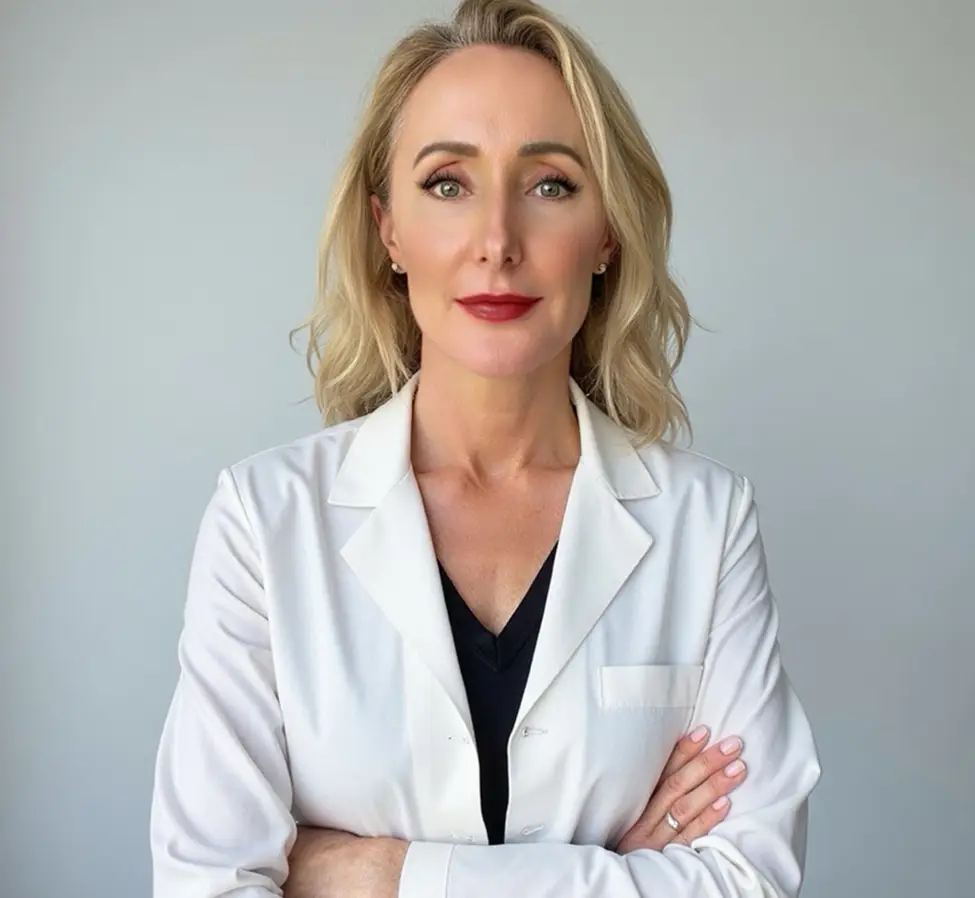
Kelly Wolfe, MSN, APRN, FNP-BC, nurse practitioner treating melasma and hyperpigmentation in Miami Beach
Meet your provider

The provider who treats the trigger, not just the surface.

Kelly Wolfe owns South Florida Face and Body and builds every skin plan herself. What sets her apart for pigment is her lens: as a functional-medicine nurse practitioner, she looks at the whole picture behind melasma, sun and heat exposure, hormonal triggers, and skin health, rather than reaching for the strongest possible laser. That is the honest, cautious approach stubborn pigment actually needs.

Her judgment is grounded in an unusually deep science background. Kelly holds a Master of Science in Nursing from the University of Miami, and a Master of Science in Biochemistry and a Bachelor of Science in Biology from Missouri State University, where her graduate research studied metabolism and appetite-regulating hormones. She is a board-certified Family Nurse Practitioner and a Certified Functional Medicine Practitioner.

Credentials & training
Education
Master of Science in Nursing (FNP)
University of Miami
Advanced practice training as a Family Nurse Practitioner (APRN).
MS Biochemistry & BS Biology
Missouri State University
Graduate research on metabolism, leptin and appetite-suppressing hormones.
Licensure & certification
Board-Certified Family Nurse Practitioner (FNP-BC)
American Nurses Credentialing Center
Florida APRN license #11005134.
Certified Functional Medicine Practitioner (CFMP)
Elite NP
Whole-body approach to skin, hormones and metabolic health.

Melasma & hyperpigmentation questions.

Straight answers on causes, whether it can be cured, hormones, microneedling, and what to realistically expect.

What causes melasma and hyperpigmentation?

Both come from pigment cells producing too much melanin, but the triggers differ. Hyperpigmentation is often a response to a specific event, sun exposure, acne, or irritation, that leaves a dark mark. Melasma is a chronic, pattern-forming condition driven by a mix of factors: sun, heat and even visible light, hormones (pregnancy, birth control, and hormonal shifts), genetics, and skin type. In Miami, the year-round sun and heat keep the pigment cells switched on, which is why melasma is so common and so persistent here.

Can melasma be cured or removed permanently?

Melasma cannot be permanently cured, and any clinic promising to erase it for good is overpromising. It is a chronic condition that is managed and controlled rather than eliminated. With a consistent, sun-first plan, most people can fade the pigment meaningfully and keep it faint, but it can return if sun protection slips or a trigger flares. Setting that expectation honestly is part of treating it well. Hyperpigmentation from a one-time cause is often more fully resolvable than true melasma.

What is the best treatment for melasma?

There is no single best treatment; melasma responds to a layered plan, not one procedure. The foundation is daily, broad-spectrum sun protection, ideally a mineral sunscreen with iron oxide that also blocks visible light. On top of that, medical-grade skincare works gradually to fade pigment and calm overactive pigment cells, and gentle, conservative in-office treatment such as microneedling can support the result. Because aggressive lasers and peels can worsen melasma, especially in deeper skin tones, Kelly favors a careful, layered approach matched to your skin.

Do hormones cause melasma?

Hormones are one of the most common melasma triggers. Pregnancy is so strongly linked that melasma is often called the mask of pregnancy, and birth control and other hormonal shifts can set it off or make it worse. This is where Kelly's functional-medicine background helps: she looks at the whole picture, including hormonal triggers, rather than only treating the surface. If a medication such as birth control seems to be a trigger, talk with your prescribing physician about your options before changing or stopping it.

Does microneedling help melasma?

Gentle, conservative microneedling can help even skin tone and support the results of your skincare, and it pairs well with a sun-first plan. The important caveat is that microneedling must be done cautiously on melasma-prone and darker skin, because overly aggressive treatment, like an aggressive laser or peel, can trigger a flare that leaves you worse off. Kelly uses a careful, layered approach and treats microneedling as one supporting piece, not a stand-alone fix.

Why is melasma so common in Miami?

Miami is close to a worst-case environment for melasma. The sun is intense year-round, the heat is constant, and both UV and visible light, plus heat itself, are documented melasma triggers. An outdoor, beach-and-boat lifestyle adds exposure on top of that. It is why sun protection is not optional here: it is the single most important variable in whether treatment holds, which Kelly builds every plan around.

How long does treatment take, and is there downtime?

Melasma improves gradually, usually over a few months of consistent skincare and sun protection, not in a single visit; patience genuinely matters more with melasma than with most skin concerns. Medical-grade skincare is used daily at home with little to no downtime, and gentle microneedling sessions involve minor redness for a day or so. Results vary from person to person, and a maintenance plan keeps the pigment faint over time.

How do I keep melasma from coming back?

Maintenance is the whole game with melasma. Daily mineral sunscreen with iron oxide, reapplied and worn year-round, protecting your skin from heat and direct sun when you can, keeping up your medical-grade skincare, and addressing any hormonal triggers with your provider all help hold the result. Kelly maps out a realistic maintenance routine at your consultation rather than promising a one-time fix.

Clearer skin, honestly.

Get a realistic, sun-first plan for your melasma or hyperpigmentation, matched to your skin type and the triggers behind it, with no promises to erase what cannot be erased. Every plan built and performed by nurse practitioner Kelly Wolfe.

Book your skin consultation 4.9·60 Google reviews